




Role of POS Systems in Different Sectors
Jan 2026





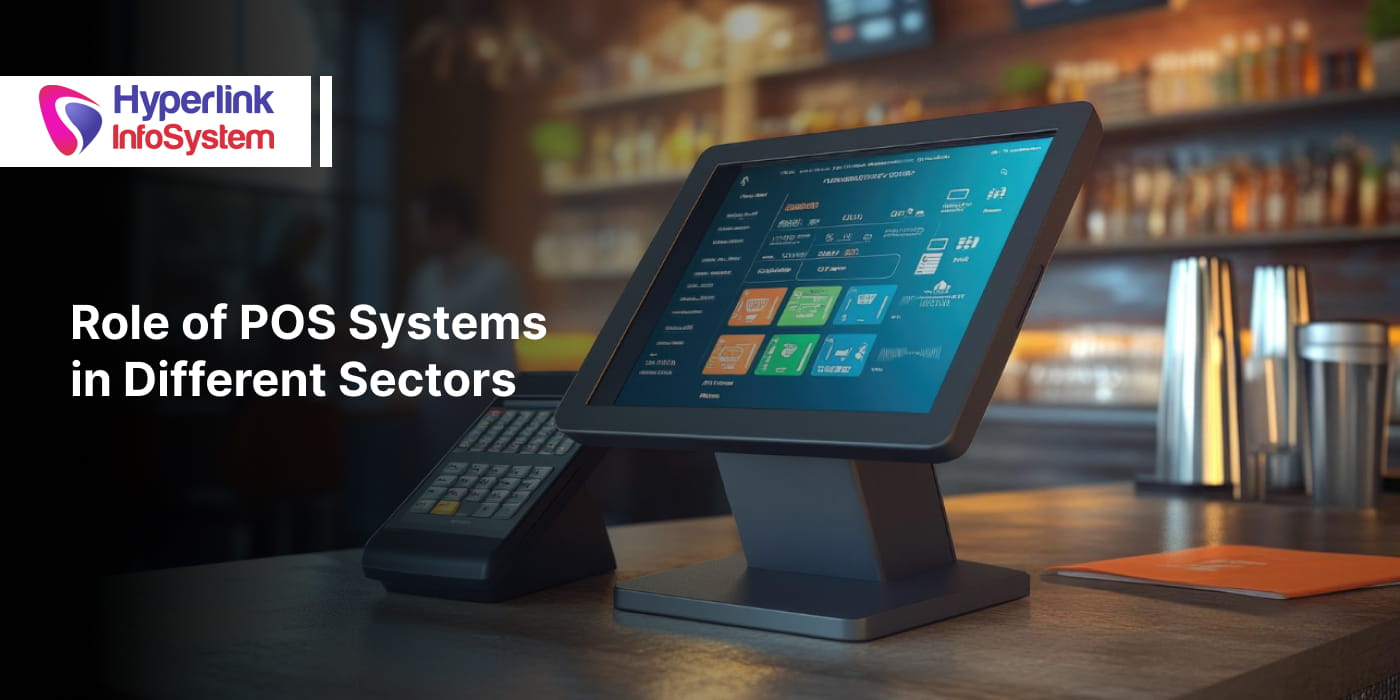

The first POS system was launched in 1879. Since then, POS has evolved greatly and helped companies in different sectors streamline their operations. The entire POS landscape changed in the 2000s with the rise of desktop and mobile POS systems. Low-cost POS solutions have also arrived for mobile and tablet users. Suddenly, POS systems were no longer confined to retail stores, hospitality businesses, and convenience stores. The global POS system market is expected to grow from $38.56 billion in 2025 to reach $110.22 billion by 2032.
Sectors such as food, healthcare, manufacturing, and travel companies have started using POS systems for their operations. With that being said, choosing the best POS system can be a challenge for most companies. Business owners must also understand what POS systems can do for their businesses. In 2026, POS systems are not bound by specific sectors.
Today’s POS systems integrate multiple modules like inventory management, payments, customer loyalty, CRM, analytics, and more. This blog will focus on the role of POS systems in various industries. Other aspects that we will focus on include cost, benefits, types of POS systems, and more. Let’s get started.
Role of POS Systems in Different Sectors
As stated above, modern POS solutions have evolved over the years. However, companies must tweak the POS system to meet business goals. How do POS systems work in different sectors? Let’s find out.
1) Retail
POS systems play a significant role in retail stores as a central source of information. It records sales, updates inventory, and handles returns. Thousands of customers can make payments simultaneously and in real-time. With devices such as barcode scanners and receipt printers, inventory management has become easier than ever.
They also make checkouts smooth. Other features of the retail POS system include smart restocking, price adjustments, and staff performance tracking. In this era, retail stores increase their reach by expanding their business online. POS systems are excellent tools that integrate offline and online stores, plus accounting tools. This results in efficient and stress-free operations.
2) Restaurants and Cafes
Managing restaurants and cafes during busy times can be quite challenging. Managing huge numbers of orders, coordinating with kitchen staff, and serving food on time is an uphill task.
Restaurant POS systems can help establishments manage these tasks effectively. Once an order enters the system, the POS system forwards it to the kitchen staff. Furthermore, it also organizes items by category and updates the menu available in real-time.
Additionally, the system allows businesses to track customers who have yet to pay their bills. It also splits the payment among customers. Integrating delivery apps with POS systems helps customers order quickly and receive orders. Businesses can use analytics to determine which items sell and which don’t. Accordingly, they can remove items from their menu and change their pricing strategies.
This can help them make operations profitable and eliminate problems. In any restaurant/cafe, backend and frontend operations must be in total sync. A POS system’s role-based access and real-time tracking features make this possible.
3) Salons and Spas
POS systems in spas and salons enable employees to break silos and work more efficiently. Whether it's bookies, payments, or client data, everything lies in a single repository. Employees are prepared to handle the workload as they can track the appointments for the day. At the same time, the POS system also shows the number of available employees. When treating repeat customers, employees have details of past interactions(data in the POS system). This helps them provide better service and ensure personalized customer experiences.
For example, a customer may state a preference for a specific masseur or an ointment. Having this information helps spas/salons serve clients better. Business owners can integrate accounting tools with salon POS systems while identifying key trends to streamline operations.
4) Hospitality
The hospitality industry is complicated because it involves different services. From housekeeping, room service, and front desk to delivering meals, it can be quite demanding. Hospitality POS systems must integrate with multiple services. These services include dining, spa, minibar, and housekeeping. This sync ensures that all departments work as a collective unit to provide the best customer service.
Hospitality POS systems collect vast volumes of data. Filtering and segregating this data can produce valuable insights for business owners. It provides insights related to customer spending patterns, latest trends, and customer preferences. These insights help businesses serve customers better. Integrating CRM and loyalty tools with POS systems turns it into a central hub. From customer check-ins to accounting, everything becomes smooth and effortless.
5) Healthcare
Tracking interactions across healthcare institutions is also a difficult task. An individual may get treated at a particular hospital, but he may get his X-ray done elsewhere. Also, patients may have to consult multiple specialists for complex ailments. A healthcare POS system manages payments, billings, and services across multiple institutions. The POS system maintains a detailed record of patient visits, medications, and treatments they undergo. It also processes payments made through multiple sources.
Integration with EHR and appointment software ensures that the POS system gathers data related to patient billing. Since all data updates on the POS system are in real-time, healthcare personnel can ensure smooth operations. Healthcare institutions will have an adequate supply of medicines and equipment. Other benefits include transparency across different departments and the creation of new revenue streams.
6) Manufacturing
Many may think manufacturing is as simple as giving a machine a command, and it churns out high-quality products. A manufacturing POS system connects different departments to make sure that they work in complete sync. It connects departments like sales, production, and inventory.
This breaks silos and ensures departments work in synergy. Whenever a product is sold, the POS system automatically updates to reflect the raw materials available. It also tracks the finished stock, unsold goods, and how much more should be produced.
Additionally, the POS system also tracks orders received from distributors and retailers. Depending on the order volume, the system determines whether they qualify for a discount and, if so, how much. Integrating ERP or supply chain software with the POS system ensures that other departments get live updates related to sales activities. These departments include inventory and manufacturing.
Last but not least, business owners can monitor demand and supply. Accordingly, they can create production schedules. This ensures that companies produce only as much as necessary. In addition, POS systems also track sales in real-time. This way, there is complete transparency from start to finish.
Do you want to develop a custom POS system for your business? Consider partnering with a top software development company.
7 Types of POS Systems
Presently, there are many types of POS systems available in the market. Each has its unique features and functionalities, along with its pros and cons. Below are the 7 main types of POS systems.
1) Traditional POS Systems
Traditional POS systems are those with hardware components and installed software. Such POS systems can be found in businesses such as retail stores, restaurants, and supermarkets. Older POS systems were clunky, hard-to-use, and had complex interfaces. Compared to them, modern POS systems have come a long way. Even though modern POS systems have multiple hardware components, they are portable and lightweight. Hardware components in newer POS systems include monitors, barcode scanners, cash drawers, and receipt printers.
Also, newer POS systems offer greater flexibility and functionality. Not to mention superior aesthetics. Other pros of modern POS systems include offline connectivity, advanced inventory, billing, and custom reporting.
Best for Who?
Businesses that benefit the most from traditional POS systems include the following:
- Physical Retailers
- Grocery Stores
- Full-Service Restaurants
These businesses require stable and high-performance checkouts. Modern POS systems fulfill these requirements. Other valuable features include analytics, employee management, and in-depth sales tracking.
2) Mobile POS Systems
Customer expectations have increased over the years. In restaurants and cafes, they want staff to take their orders and make payments quickly. Mobile POS systems are a blessing for businesses. Not only can they be installed on smartphones and tablets, but they can also complete many tasks with speed and accuracy. These tasks include taking orders, managing inventory, and generating receipts (via cloud apps).
Using mobile POS systems reduces the need to install bulky computers at businesses. This saves space and money. Regular POS systems manage routine tasks such as managing sales, inventory, and generating receipts. Cloud POS systems take it up a notch. They use Bluetooth technology to integrate with POS systems. This helps customers make payments quickly and without hiccups.
Intriguing POS systems and payment gateways keep customer data secure. Overall, mPOS provides businesses with the much-needed flexibility to conduct business operations. At the same time, they keep costs low.
Best for Who?
Food trucks, delivery services, and small retailers can benefit greatly from mobile POS systems. These POS systems can elevate customer service and make life easier for employees. They are also portable and easy to set up.
3) Cloud-Based POS Systems
Thanks to cloud-based POS systems, businesses can store data securely in the cloud. Storing data in the cloud protects business and customer data. In case of data breaches or system crashes, data remains safe as everything is on the cloud. Further, tracking sales, managing inventory, and updating prices becomes simple. Business owners can work using any device, irrespective of the location.
Real-time data access and monitoring enable businesses to manage multiple stores. Advanced analytics tools facilitate the quick generation of personalized sales and performance reports. Many tools in cloud-based POS systems also help business owners predict trends and customer preferences. This helps them adapt and stay relevant.
Best for Who?
Cloud-based POS systems are ideal for the following:
- Retailers with multiple branches
- Businesses with franchise outlets
- E-commerce businesses want greater flexibility
Many businesses want their data to stay safe and in a single repository. Cloud-based POS systems ensure this while seamlessly integrating with multiple systems.
4) Self-Service Kiosk POS Systems
Small businesses can’t afford to hire too many employees. They also want to provide top-notch service. Installing self-service kiosk POS systems helps businesses achieve their goals. Customers don’t have to wait for anyone to take their orders. The moment they walk in, they can step up to the self-service kiosks and place their orders (by using touchscreens).
These self-service POS systems reduce waiting times. Since customers can place their orders and get them quickly, it increases customer satisfaction. Businesses can also upsell without being pushy.
Best for Who?
Self-service kiosks are best for fast food chains, movie halls, and large retail chains. Besides boosting speed and efficiency, these kiosks help businesses save thousands of dollars.
5) Tablet POS Systems
Tablet POS systems work like traditional POS systems. The only difference is that tablet POS systems work on tablets. Employees can carry them anywhere and take orders. They can also scan products, accept payments, and manage stock. This small, portable, and simple device does a lot more than regular POS systems. The best part is that tablet POS systems don’t take up much space.
Best for Who?
Small cafeterias, boutiques, and restaurants can benefit the most from tablet POS systems. Besides being compact and easy on the pocket, they come with innovative features.
6) Multi-Channel POS Systems
Multi-channel POS systems are great for companies that sell online and in physical stores. A business may have multiple stores. They may also sell through multiple offline channels, including apps, websites, and systems. Keeping track of data across multiple channels can give business owners a headache. Multi-channel POS systems sync data across multiple touchpoints.
This also gives business owners more clarity. Employees can serve customers better. Most importantly, different departments can access the same data in real time, thereby improving decision-making.
Best for Who?
Retail companies and businesses that sell products online and offline should opt for multi-channel POS systems. Along with monitoring real-time inventory, these POS systems ensure excellent customer service.
7) Open-Source POS Systems
Anyone can download open-source POS systems and use them without paying hefty fees. Since the POS system is open-source, the business has access to the source code. As the business grows, the POS system may require additional features. With open-source POS systems, business owners can add/remove features at will. They can also modify the POS system’s appearance and integrate it with other systems/apps.
Being open-source means that the business owner controls the data. They don’t have to pay monthly fees to use the POS system. Nor do they have to pay recurring charges or extra for installation/upgrades. The only drawback is that they may have to hire dedicated software developers for installation, upgrades, and maintenance.
Best for Who?
Large enterprises and retail giants can benefit from using open-source POS systems. Also, companies that require POS systems with unique features or custom integrations can opt for them. However, the onus of implementation and maintenance lies with the in-house team. Without a strong, in-house IT team, open-source POS systems can be a nightmare.
Are you looking to develop a custom POS system for your business? Hire software developers or partner with a reputable software development company for the best results.
Also Read, Cloud-based POS vs Legacy POS System: Which One Is Best For My Restaurant?
10 Benefits of Using POS Systems
Implementing the right POS system can bring significant benefits to businesses. Below are some of the most notable advantages of using POS systems.
- Faster billing and checkouts.
- Minimizes manual errors during transactions.
- Ensures real-time sales and inventory tracking.
- Improved customer service and retention.
- Simplified accounting and reporting.
- Greater data accuracy and security.
- Supports loyalty programs and promotions.
- Provides valuable insights for decision-making.
- Seamless integration with online selling platforms.
- Automates tax and discount calculations.
9 Challenges Related to Implementing POS Systems
Implementing POS systems in businesses can be profitable and cost-effective. That said, businesses may face many challenges when implementing them. Below are some of the most notable challenges and their solutions.
- Significant Setup Costs: Companies can minimize upfront investments by opting for cloud-based or subscription-based POS systems.
- Security RisksP: OS systems must ensure adequate compliance with security standards. Payment fraud risks may also arise. The solution is to implement end-to-end encryption plus PCI DSS compliance.
- Integration Complexities: Companies should pick POS solutions with open APIs. The chosen POS software must integrate smoothly with different apps and systems.
- Complex Inventory Management: The solution lies in adopting POS solutions with real-time inventory tracking and alerts.
- Cloud POS’s Internet Dependency: Choose POS systems that work offline and with auto-sync features.
- Customization Limitations: Choose POS systems with modular capabilities. They should also allow businesses to add/remove features as required.
- Maintenance and Support: Partner with POS vendors and solution providers that offer post-implementation support.
- Legacy System Migration: Conduct data migration in different phases. Prioritize data validation and backups.
- Regulatory Compliance: Invest in POS software that updates automatically as tax laws and invoicing standards change.
Whether it's POS for small businesses or enterprises, companies should opt for a bespoke solution. Partner with a reputable software development company that understands the client’s vision and objectives.
Cost of POS Development and Implementation in Different Sectors
Below are the costs of developing and implementing POS systems in different sectors.
- Micro-Businesses such as food trucks and stalls - One-time cost of $100 - $1,000. Recurring Costs - $0 - $60/month (plus payment processing fees).
- Small Businesses - $500 - $5,000. Recurring Costs - $60 - $300+/month per location.
- Grocery/Supermarket - One-time Costs - $10,000 - $250,000+. Recurring Costs - $300 - $2,000+/month.
- Mid-Market Retail/Omnichannel - $5,000 - $75,000. Recurring - $100 - $1,000+/month/per location.
- Enterprise/Chain - Upfront Costs - $50,000 - $1000,000+. Ongoing - $2,000 - $50,000+/month.
- Healthcare/Clinics - One-time Costs - $20,000 - $300,000. Recurring Costs - $500 - $5,000+/month.
The above costs are just to give our readers an approximate idea of POS development costs. Partner with a top software development company for the best results.
Final Thoughts
Choosing a point of sale system is never easy. Businesses must understand their business needs while considering factors such as budget, scalability, integrations, security issues, and more. While POS systems have come a long way, there is still room for improvement. Customer expectations change constantly, plus new trends compel businesses to adapt. Even within a particular sector, businesses may have different requirements.
Choosing the POS system puts business owners in the driver’s seat. With real-time data at their fingertips, they can streamline operations, ensure greater productivity, profitability, and customer satisfaction. One of the newest trends is AI-powered POS systems. Companies with complex needs, such as managing higher transaction volumes or wanting deeper customer insights, can benefit from such POS systems.
The key lies in understanding business requirements, navigating challenges, and following a structured path to adopting a POS system. Partner with a renowned and experienced software development company that understands business needs and guides clients from start to finish. Hyperlink InfoSystem is a company with 12+ years of industry experience in developing custom solutions for businesses across the globe. Speak with an expert today.

Frequently Asked Questions
Most modern POS systems have built-in inventory management systems. However, the depth and range of features depend on the provider. Sector-specific POS systems may not have inventory management features.
Below are some trends that will shape the future of POS systems.
- Cloud and mobile-first POS systems
- AI, Big data, and analytics
- Omnichannel integration
- IoT (Internet of Things)
- Advanced payment methods and security
- Voice, AR/VR, and immersive POS
- Sustainability focus
- Open APIs and integration ecosystem
The cost to hire dedicated developers depends on many factors, including geographical location, tech stack, industry, and more. Below are the costs to hire dedicated developers based on geographical location.
- Asia - $18 to $40/hour
- Latin America - $25 to $85/hour
- Eastern Europe - $25 to $85/hour
- Western Europe - $70 to $150/hour
- North America - $100 to $150/hour
There is no straight answer to this. It all depends on the business size, budget, product mix, and selling channels. When choosing the best POS system for retail operations, companies should focus on many aspects, including inventory management, omnichannel support, and payment processing. For informed decision-making, they would also need analytics tools. The POS system must also be scalable and easy to use.
Investing in an AI-powered POS system has many benefits for companies. It increases sales and automates decisions while helping businesses make data-driven decisions. This ensures customer satisfaction and improved business performance.
Harnil Oza is the CEO & Founder of Hyperlink InfoSystem. With a passion for technology and an immaculate drive for entrepreneurship, Harnil has propelled Hyperlink InfoSystem to become a global pioneer in the world of innovative IT solutions. His exceptional leadership has inspired a multiverse of tech enthusiasts and also enabled thriving business expansion. His vision has helped the company achieve widespread respect for its remarkable track record of delivering beautifully constructed mobile apps, websites, and other products using every emerging technology. Outside his duties at Hyperlink InfoSystem, Harnil has earned a reputation for his conceptual leadership and initiatives in the tech industry. He is driven to impart expertise and insights to the forthcoming cohort of tech innovators. Harnil continues to champion growth, quality, and client satisfaction by fostering innovation and collaboration.
Latest Blogs

Is BlockChain Technology Worth The H ...
Unfolds The Revolutionary & Versatility Of Blockchain Technology ...


IoT Technology - A Future In Making ...
Everything You Need To Know About IoT Technology ...
Feel Free to Contact Us!
We would be happy to hear from you, please fill in the form below or mail us your requirements on info@hyperlinkinfosystem.com
Hyperlink InfoSystem Bring Transformation For Global Businesses
Starting from listening to your business problems to delivering accurate solutions; we make sure to follow industry-specific standards and combine them with our technical knowledge, development expertise, and extensive research.

4500+
Apps Developed

1200+
Developers

2200+
Websites Designed

140+
Games Developed

120+
AI & IoT Solutions

2700+
Happy Clients

120+
Salesforce Solutions

40+
Data Science

