




AI Automation Reduced Manufacturing Quality Inspection Time by 70%
A large manufacturing company partnered with us to develop an AI-powered automated quality inspection platform that uses computer vision, machine learning, and intelligent workflow automation to detect product defects and accelerate production-line inspections. The solution enabled faster quality checks, more consistent defect detection, and real-time production insights while keeping quality teams in control of exception handling and final disposition decisions.
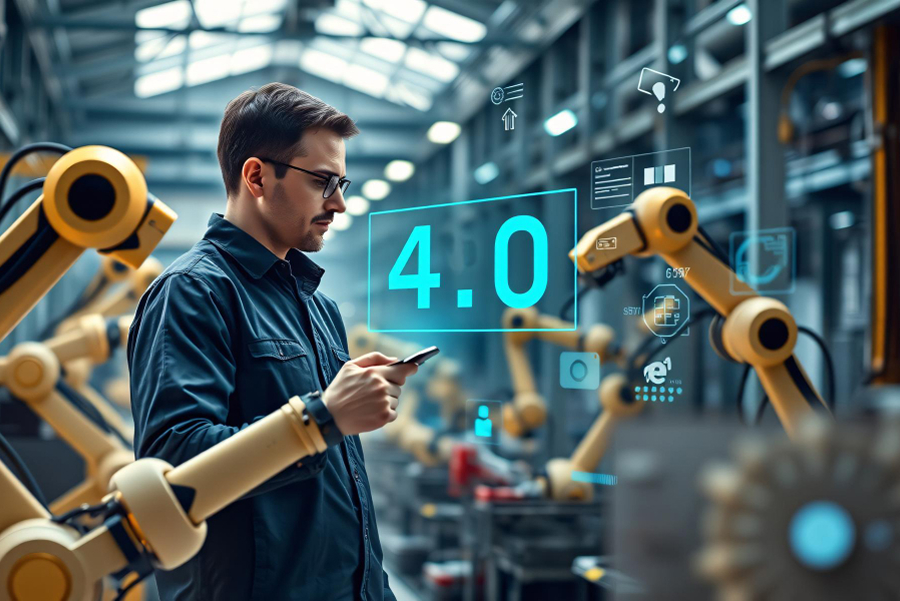
Automating Manufacturing Quality Control with AI
The client operated high-volume manufacturing lines where products and components required continuous quality inspection. Traditional processes relied heavily on manual visual checks, making inspections time-consuming and difficult to scale as production volumes increased. Quality teams needed to identify surface defects, dimensional anomalies, assembly issues, and other predefined quality problems without creating bottlenecks on the production line.
Modern manufacturing requires AI-powered quality inspection systems that can process high-speed production lines with consistent accuracy, while integrating seamlessly with existing manufacturing infrastructure. A world-class computer vision quality platform needs industrial-grade cameras positioned at critical inspection points, trained deep learning models covering all supported defect categories, edge AI processing for low-latency real-time inference, configurable confidence thresholds managing false-positive and false-negative tradeoffs, automated product routing based on inspection outcomes, human review workspace for uncertain or flagged cases, integration with PLCs, MES, QMS, and IoT infrastructure, comprehensive quality analytics and defect trend reporting, inspection image retention for traceability and audit purposes, model drift monitoring and continuous improvement pipelines, and environmental compensation for varying lighting and production conditions. A fully realized AI inspection platform delivering 70% inspection time reduction, 45% less manual effort, 35% faster defect identification, and 30% productivity improvement would dramatically increase production throughput, reduce quality-related rework and scrap, improve customer product quality, enable proactive production-process correction, reduce labor costs for inspection activities, establish digital quality traceability, create competitive advantages in quality performance, and build foundation for expanded smart factory capabilities.
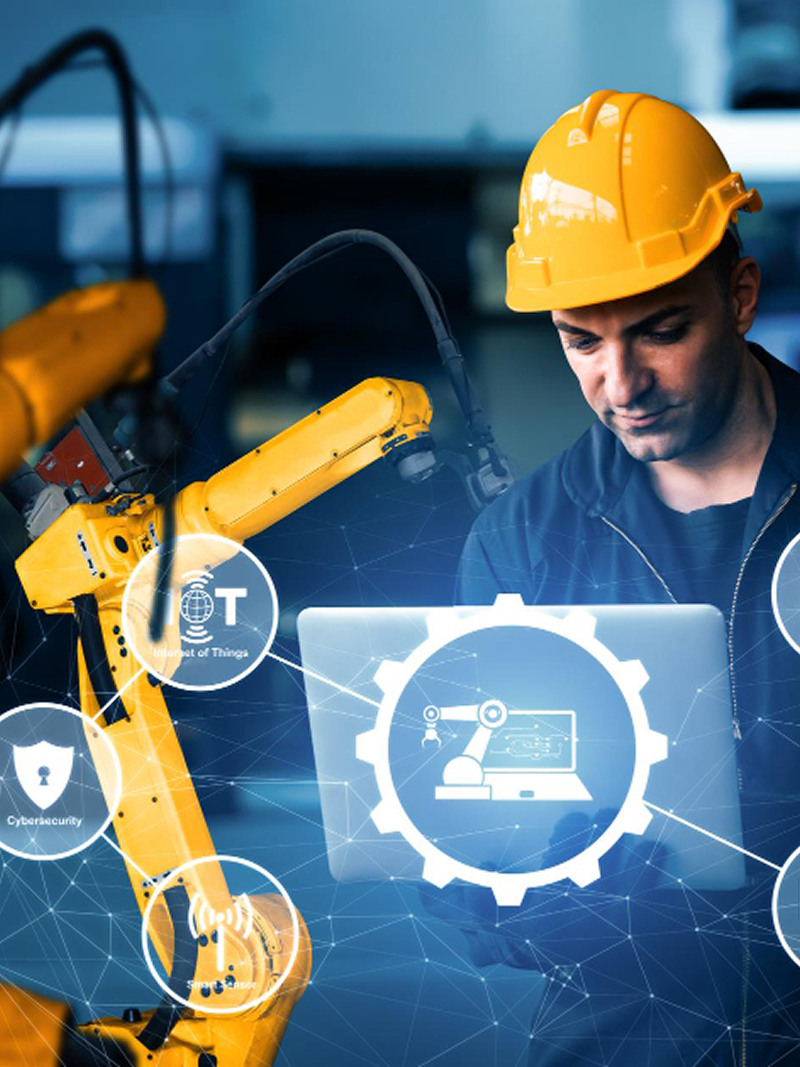
Improving Quality Control Without Slowing Production
High-volume manufacturers face the difficult challenge of maintaining rigorous quality standards while keeping pace with production throughput — a balance that manual inspection processes increasingly struggle to achieve as output volumes grow.
Root Causes Identified
- Fully manual visual inspection process with no automation layer
- No real-time defect detection or production-line monitoring
- Inspection results dependent on individual inspector judgment
- Absence of digital quality traceability across inspection points
- Limited analytics on defect categories, trends, and root causes
- No integration between quality data and manufacturing systems
Computer Vision-Powered Quality Inspection
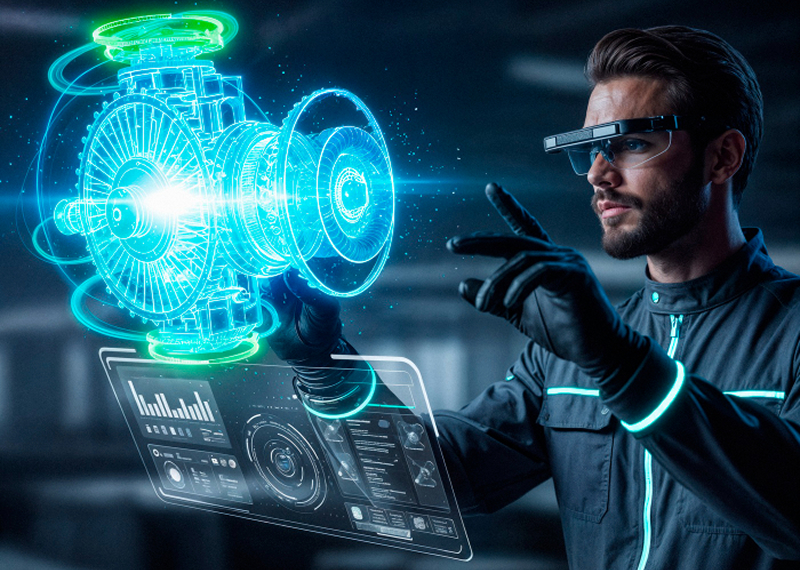
Manufacturing AI & Computer VisionWe developed an automated inspection system combining industrial imaging, computer vision, machine-learning models, edge processing, and manufacturing-system integrations. Products are captured at defined inspection points and images are analyzed against trained defect-detection models. Items meeting configured quality criteria continue through the production workflow, while potential defects are flagged for rejection, secondary inspection, or quality-team review according to business rules.
Core Features
A Structured 6-Phase AI Inspection Deployment
The AI quality inspection platform was developed through a phased approach ensuring production-environment compatibility, robust model training and validation, manufacturing-system integration, and controlled deployment that maintained production continuity.
- Analyze inspection procedures and defect categories
- Assess throughput and latency requirements
- Review historical quality data
- Define camera positioning and imaging specs
- Design edge computing architecture
- Plan manufacturing integration points
- Prepare and label product/defect datasets
- Train and evaluate CV models
- Implement confidence thresholds
- Connect PLCs, IoT, and MES/QMS platforms
- Implement automated routing workflows
- Deploy edge inference infrastructure
- Validate detection performance and throughput
- Test human-review workflows
- Deploy with continuous model monitoring
Before vs. After
From slow, variable manual inspections to a real-time AI-powered quality system with full traceability and human oversight for exceptions.
Transforming Manufacturing Quality Control with AI
"AI-powered inspection has significantly accelerated our quality-control process. Our teams can identify potential defects much earlier, spend less time on repetitive visual checks, and use production data to understand quality trends more effectively."
Build an Intelligent AI Quality Control Platform
Build an intelligent quality-control platform combining computer vision, machine learning, edge AI, automated defect detection, manufacturing integrations, human review, and real-time quality analytics to transform production-line inspection.
Talk to Our Manufacturing AI ExpertsFeel Free to Contact Us!
We would be happy to hear from you, please fill in the form below or mail us your requirements on info@hyperlinkinfosystem.com

