Building a metaverse means putting together a virtual space that actually holds people inside it together in real time, doing things they'd otherwise have to be in the same room for. Underneath all of it, you're combining real-time 3D rendering, spatial computing, blockchain infrastructure when digital ownership matters, and networking systems that don't fall over the moment a real crowd of people logs in at once. When all of that comes together properly, the space feels alive and people actually want to come back to it. When it doesn't, you've built an expensive tech demo that gets opened once and forgotten about within a week.
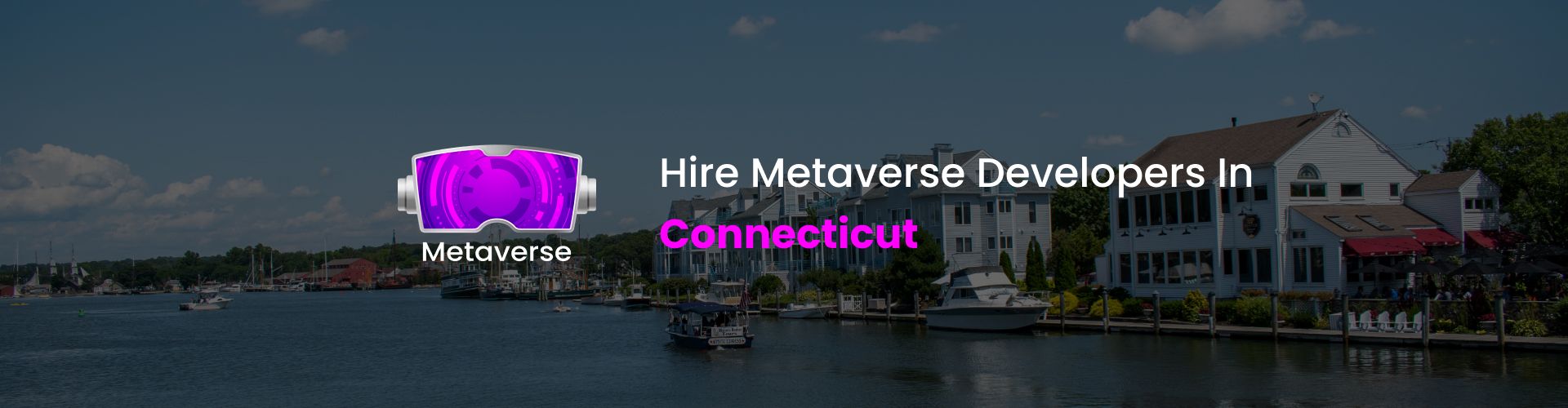
Connecticut carries more practical weight here than people assume from the outside. Hartford's insurance and financial services industry runs on enterprise software with real compliance and data integrity requirements, and a growing number of those firms are exploring virtual training environments and immersive client experiences that generic software platforms simply weren't built to handle. The defense manufacturing corridor running through the state means simulation accuracy isn't optional - federal contracts demand it.
Greenwich and Stamford host financial firms that have started looking at virtual environments for client engagement and internal training in ways that go well past a marketing gimmick. New Haven's research and biotech presence, tied closely to Yale, adds genuine use cases around training simulation and complex data visualization that a flat dashboard can't really communicate. Hyperlink InfoSystem has spent over twenty years building immersive and interactive digital products across platforms and industries, and that background is what shapes every Connecticut project from the first conversation, not something we're figuring out for the first time on a client's budget.
Enterprise Metaverse Development Services Across Every Industry
Custom Metaverse Platform Builds
We build full metaverse platforms around how a Connecticut business actually operates, not a generic template that covers the common cases and falls apart everywhere your organization happens to work differently. Scalability and integration with whatever systems you're already running get worked out before production even starts, not discovered as a problem after the build is already locked into the wrong foundation.
Virtual World Development
Our Virtual World Development work covers persistent environments built for Connecticut's financial services, insurance, and corporate clients who need spaces designed around real engagement rather than a one-time novelty visit. Spatial layout, interaction design, and environment fidelity are all built with the same care that goes into the rest of how these organizations present themselves publicly.
VR Training and Simulation Builds
For Connecticut's insurance, defense manufacturing, and financial services clients, our dedicated VR developers build training environments where presence and interaction accuracy genuinely matter - compliance training, equipment simulation, and procedural rehearsal designed with enough fidelity to produce real skill transfer, not a flashy demo that impresses once and never gets opened again.
Financial and Insurance Virtual Spaces
Connecticut's financial and insurance sector carries software requirements that generic enterprise platforms address only at the surface level - audit trail integrity, role-based access reflecting actual regulatory structure, and reporting accuracy that holds up under real scrutiny. We build virtual environments where those requirements shape the architecture from the foundation, not features bolted on right before a compliance review.
Metaverse Business Integration
Most Connecticut businesses stepping into a metaverse environment already run CRM systems, policy management platforms, or internal training infrastructure that the new environment needs to connect with rather than duplicate from scratch. We build that integration in from day one, so the metaverse presence actually extends the business instead of becoming a side project that quietly stops getting updated a few months after launch.
Metaverse Strategy Consultation
If you're still evaluating whether a metaverse investment is the right fit for your Connecticut business, we'll provide honest guidance on platform selection, practical use cases, and a realistic project scope before any development budget is committed. Our Custom Metaverse Development Services are tailored to your specific business goals, ensuring every recommendation aligns with your operational needs and long-term strategy. Not every business challenge requires a metaverse solution, and we'll tell you when a different approach makes more sense rather than recommending technology that doesn't deliver real value.
Why is Hyperlink InfoSystem the Top Metaverse development company in Connecticut?
After twenty years of building immersive and interactive products, you start to know exactly where these projects tend to go sideways - usually not in some dramatic, obvious way, but in small compounding decisions that only become a real problem once actual users are inside the platform at real scale. We've watched performance architecture that looked completely fine in internal testing buckle the first time concurrent traffic hit the numbers it was supposed to handle. We've seen integration decisions made early on introduce data inconsistencies that nobody connected to the actual cause until weeks later. These aren't theoretical risks for us anymore - they're patterns we catch early because we've already been burned by them somewhere else, on someone else's project, a long time ago.
Connecticut businesses building metaverse platforms - especially in financial services, insurance, and defense-adjacent industries where the stakes are genuinely real - deserve a partner who has already worked through these failure points rather than learning them on your dime. With more than two decades of immersive technology delivery behind us, we build to a standard that holds up under Connecticut's regulatory and operational realities, not just under the conditions of a polished pitch demo. If you need engineering capacity that goes beyond strategy and planning conversations, you can Hire Remote Metaverse Developers from our team who stay engaged through the entire build instead of rotating off once the early architecture work is settled and the harder execution phase begins.
When a technical decision is going to create a constraint months down the line, that conversation happens during the architecture phase, before the decision is locked in - not after the budget has already absorbed the cost of a correction nobody saw coming because nobody asked the right question early enough.
Our Metaverse Development Process from Strategy to Virtual Deployment
Strategy and Use Case Definition
Every project starts with an honest conversation about what the platform is actually meant to accomplish - who it's for, what operational or business goal it serves, what compliance constraints it has to operate inside, and how you'll genuinely know whether it worked once it's live. Connecticut's financial services and insurance clients in particular carry regulatory requirements that a generic template just isn't built to account for.
Architecture and Technical Design
Engine selection, scalability planning, security architecture, and integration requirements with whatever systems you're already running all get resolved before any environment production begins. Skip this step in favor of early visible progress and the compromises pile up quietly through the build, then surface as real, expensive constraints once people are actually using the thing under real conditions.
Environment Production and Build
3D environment construction, avatar systems, and interaction engineering all run in structured two-week cycles, with a working build delivered at every checkpoint along the way. Connecticut clients see real, functioning software the whole way through, not concept renders and status updates that describe progress without actually proving it works the way it's supposed to.
Testing Under Real Operational Conditions
We test against the concurrent user loads, devices, and network conditions the platform will genuinely face once it's live, not the clean, controlled internal setup that makes everything look perfect right before launch. For Connecticut clients in regulated industries where compliance accuracy carries real consequences, this phase doesn't get compressed just because the project timeline tightens near the end.
Launch and Post-Deployment Support
We handle deployment directly and stay closely involved through the launch window. The weeks right after launch are when real usage data starts coming in, and that's genuinely when the decisions about long-term engagement and platform performance get made, based on what people are actually doing inside the environment rather than what the original design assumed they would do once it went live.
Frequently Asked Questions
1. What types of metaverse platforms does your team build?
Financial and insurance training environments, defense simulation tools, corporate collaboration spaces, biotech and research visualization platforms, and entertainment-focused metaverse builds, scoped to whatever the specific project actually requires rather than pulled from a fixed package.
2. How does Hyperlink InfoSystem approach metaverse projects for Hartford financial services clients?
We scope Hartford projects around the compliance and audit requirements those businesses already operate under, rather than starting from a generic platform template that ignores regulatory reality. Whether the use case actually justifies the investment gets discussed honestly before any production conversation starts.
3. Can you build VR simulation environments for Connecticut's defense manufacturing sector?
Yes. That work involves building simulation environments accurate enough that procedures and equipment operation can be rehearsed virtually before they're carried out for real, which matters considerably in a sector where federal compliance and documentation standards are non-negotiable.
4. How long does a metaverse development project take from concept to launch?
A focused first version with clearly defined features can usually reach launch in four to six months. A larger platform involving compliance architecture, custom simulation, and deeper enterprise integration tends to run eight to fourteen months, depending on what's genuinely in scope.
5. Can you connect a new metaverse platform to systems our business already runs?
Yes. Hooking into your existing CRM, policy management, or training infrastructure gets built into the architecture during technical design rather than tacked on afterward, so the platform actually functions as a real operational tool rather than a disconnected experiment.
6. Do you build immersive VR experiences outside of full metaverse platforms?
Yes, standalone VR training and simulation builds are available for Connecticut clients who need a focused immersive product without committing to a full persistent virtual world from the outset.
7. What should a Connecticut business expect when reaching out about a metaverse project?
The first conversation is just about what you're trying to accomplish, who it's for, and what's realistic given your compliance environment, timeline, and budget. From there we put together a scoped proposal based on what was actually discussed, with strategy and architecture work completed before any production begins.




 Explore Services