




Vehicle Tracking Management System | Vehicle Tracking Management App for Android & iOS
End-to-End Vehicle Tracking Management System for iOS & Android Designed to Enhance Fleet Productivity, Security, and Operational Control
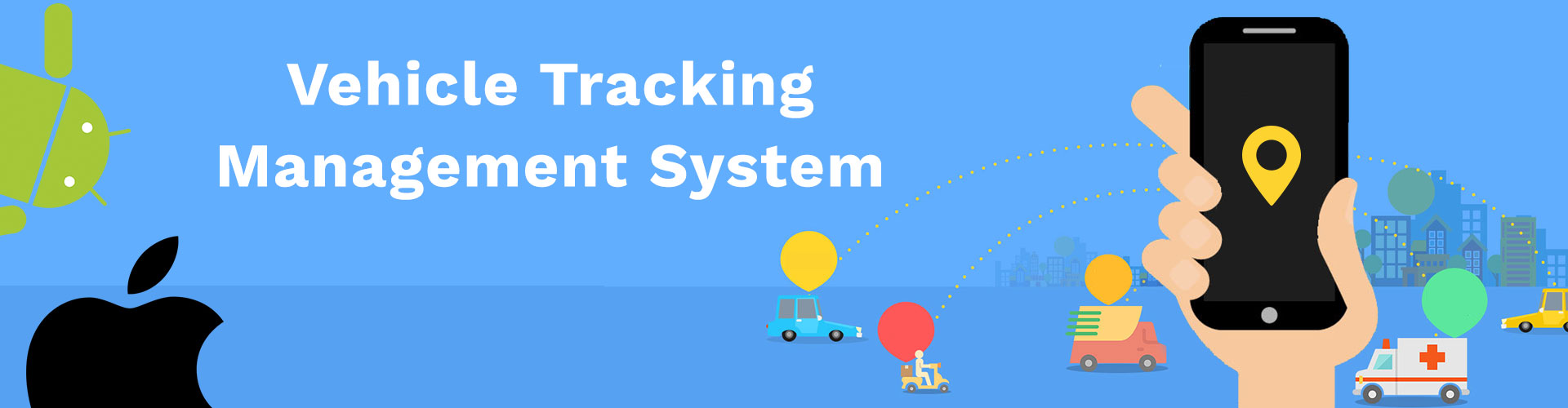
Fleet operators managing dozens or hundreds of vehicles across dispersed routes encounter a specific category of operational problem that generic software tools never fully solve. A dispatcher watching a map refresh every thirty seconds does not actually know whether a driver has deviated from a planned route, whether a refrigerated cargo unit has exceeded its temperature threshold, or whether an approaching vehicle will arrive within the contractual delivery window.
The gap between passive location display and genuine fleet intelligence is where most vehicle tracking products fall short. They show position but do not interpret what that position means against scheduled timelines, driver behavior patterns, or historical route performance. Businesses managing logistics under penalty clauses or healthcare providers operating patient transport services cannot afford that interpretive gap when a contractual deadline is approaching.
A properly engineered vehicle tracking management system does not simply collect GPS coordinates. It processes movement data continuously against operational parameters, delivers actionable alerts through mobile interfaces that field managers can act on immediately, and generates historical reporting granular enough to support fuel optimization, insurance negotiations, and driver performance reviews.
Building that kind of system on both iOS and Android simultaneously requires more than competent mobile development. It requires backend architecture capable of ingesting high-frequency telemetry streams without latency degradation, intelligent processing layers that convert raw sensor output into operationally meaningful signals, and interface design that presents complex data clearly to users who are managing multiple operational pressures at once.
Core Modules of a Vehicle Tracking Management System
A production-ready vehicle tracking system serves several distinct operational functions simultaneously, and each function carries its own technical complexity that surface-level GPS display products never address adequately.
Real-Time GPS Tracking and Route Visualization
Live vehicle positioning displayed on interactive maps with sub-thirty-second refresh cycles gives fleet managers the spatial awareness necessary for active dispatch decisions. Route visualization overlaid against planned itineraries highlights deviation the moment it occurs rather than surfacing it during post-shift reporting when corrective action is no longer possible.
Geofencing logic automatically triggers alerts when vehicles enter or exit designated operational zones. Warehouses, customer delivery zones, restricted areas, and fuel station boundaries each become trigger points for automated notifications that remove the manual monitoring burden from dispatch teams operating across large fleets.
Driver Behavior Monitoring
Accelerometer and gyroscope data captured through vehicle-mounted hardware or mobile devices identifies harsh braking events, aggressive acceleration patterns, sharp cornering, and extended idling behavior. Continuous driver scoring built from these behavioral signals gives fleet managers objective performance data rather than subjective impressions when addressing safety concerns or negotiating insurance premiums.
Fatigue detection modules that monitor driving duration against regulatory rest requirements generate compliance alerts before a driver breaches hours-of-service limits. For commercial fleet operators subject to transportation authority auditing, this automated compliance layer reduces the administrative burden of manual logbook verification significantly.
Vehicle Diagnostics and Predictive Maintenance
OBD-II port integration pulls engine diagnostic codes, fuel consumption readings, battery voltage levels, and coolant temperature data directly from vehicle electronics into the fleet management dashboard. When sensor readings approach threshold values that historically precede mechanical failures, maintenance alerts notify fleet managers before a breakdown occurs on an active route.
Scheduled maintenance tracking tied to mileage accumulation and engine hours eliminates the administrative overhead of manual service calendars. The system automatically flags vehicles approaching service intervals and generates work orders that integrate with maintenance vendor scheduling workflows.
Cargo Monitoring and Cold Chain Compliance
For fleets transporting temperature-sensitive cargo, pharmaceutical supplies, or perishable goods, continuous environmental sensor integration provides the documentation trail that regulatory audits and customer contracts require. Temperature excursion alerts delivered to mobile devices the moment a refrigeration unit deviates from its setpoint allow immediate intervention rather than cargo loss discovery upon arrival.
Fuel Management and Cost Analytics
Fuel consumption data correlated against route distance, vehicle load, and driver behavior patterns identifies the specific operational variables driving cost overruns. Fuel card integration reconciles pump transaction records against system-recorded consumption figures, flagging discrepancies that indicate unauthorized fueling or potential fraud within large fleet operations.
iOS and Android Mobile Application Architecture
Fleet managers, dispatchers, and drivers each interact with the tracking system under different operational conditions and with different information needs. Building a single mobile interface that serves all three user categories equally produces an application that serves none of them well.
Dispatcher and Manager Interface
The dispatcher-facing mobile application prioritizes spatial awareness and alert management. A live map view showing all active vehicles with status indicators, a consolidated alert feed surfacing exceptions requiring immediate attention, and quick-access communication tools allow dispatchers to manage active fleets from mobile devices during field operations rather than being anchored to control room workstations.
Driver Application
Driver-facing interfaces present turn-by-turn navigation integrated against fleet-specific route assignments, digital proof-of-delivery capture, hours-of-service logging with automatic break reminders, and direct communication channels with dispatch without requiring drivers to manage separate applications for each function.
Offline Functionality and Connectivity Resilience
Vehicles operating through tunnels, rural corridors, underground parking facilities, and industrial zones with poor cellular coverage cannot depend on continuous network connectivity to maintain operational continuity. Local data caching on mobile devices preserves tracking continuity during connectivity gaps, synchronizing accumulated data automatically when signal is restored.
How AI Transforms Fleet Tracking Beyond GPS
Passive GPS tracking answers the question of where a vehicle currently is. Intelligent fleet management answers the operationally more valuable question of what is likely to happen next and what action prevents an unfavorable outcome. Working with a top app development company ensures the tracking system moves beyond location display into genuine predictive operational intelligence.
Predictive Arrival and Delay Detection
Machine learning models trained against historical route performance data, real-time traffic conditions, and current vehicle position generate arrival time predictions significantly more accurate than simple distance-over-speed calculations. When predicted arrival falls outside the contractual delivery window, automated customer notifications and dispatch alerts trigger before the delay becomes a complaint.
Anomaly Detection and Theft Prevention
Movement patterns that deviate from established behavioral baselines, engine ignition events outside scheduled operating hours, and route deviations crossing predefined distance thresholds each trigger automated security alerts. Intelligent anomaly detection distinguishes between routine schedule variations and genuine unauthorized vehicle use more reliably than threshold-based rule systems that generate excessive false positives.
Route Optimization at Scale
Optimizing delivery sequences across hundreds of vehicles simultaneously against shifting traffic conditions, driver availability constraints, vehicle capacity limits, and customer time windows exceeds what manual planning or simple mapping tools can produce. AI-driven route optimization recalculates assignments dynamically as conditions change throughout the operational day rather than locking dispatchers into a morning plan that becomes obsolete by midday.
Maintenance Prediction Beyond Scheduled Intervals
Organizations that hire dedicated App developers to build custom predictive maintenance models rather than relying on generic scheduled service intervals reduce unexpected breakdown rates significantly. Models trained on the specific engine telemetry patterns that precede failures in each vehicle class identify approaching mechanical issues weeks before diagnostic codes trigger, enabling proactive service scheduling during planned downtime rather than reactive repair during active operations.
Integration With Enterprise Operations
ERP and TMS Connectivity
Fleet tracking data reaches its full operational value when it flows into the enterprise systems where logistics planning, invoicing, and operational reporting actually occur. Direct API integration with ERP platforms and transportation management systems eliminates the manual data transfer that creates reconciliation errors and reporting delays.
Customer Portal and Delivery Transparency
Branded customer-facing tracking portals that surface live vehicle position and estimated arrival time against specific shipments reduce inbound delivery inquiry volume while improving customer satisfaction. Automated SMS and email notifications triggered by geofence events keep customers informed without requiring dispatcher intervention for routine status updates.
Frequently Asked Questions
1. Can the system work across mixed vehicle fleets with different hardware configurations?
Yes, the platform supports multiple hardware integration protocols simultaneously, allowing unified tracking across vehicles equipped with different OBD-II adapters, dedicated GPS units, and mobile device-based tracking without requiring fleet-wide hardware standardization.
2. How does the system handle poor network coverage in remote operational areas?
Local device caching preserves tracking continuity through connectivity gaps, storing telemetry data onboard and synchronizing automatically when network access is restored, ensuring no position or event data is lost during signal interruptions.
3. What level of data security protects sensitive fleet and driver information?
All telemetry streams, driver records, and operational data transmit through encrypted channels with role-based access controls ensuring that each user category views only the information their operational function requires.
4. How long does implementation typically take for a large fleet operation?
Hyperlink InfoSystem structures implementation timelines around fleet size, hardware configuration complexity, and enterprise system integration depth, with most mid-size fleet deployments reaching full operational status within ten to sixteen weeks.
5. Can the AI features be added to an existing tracking system or only new builds?
Intelligent predictive modules can integrate with existing tracking infrastructure through API layers without requiring a complete platform rebuild, allowing organizations to add AI-driven capabilities incrementally against current operational data.
Amplifying Business Progress Through Smart Solutions
Obtain robust software solutions, modernize systems, and leverage futuristic technologies for growth opportunities with the capabilities of a leading development company.
 Explore Services


Mobile App Development
We specialize in augmenting the mobile experience for users of different niches, industries, products, and more that can help businesses enhance their value with futuristic mobile applications.
Web Development
Explore our web development expertise to maximize your web presence which can help you captivate the audience by delivering unparalleled web experience.
eCommerce Development
Delivering perfect and top-notch customer satisfaction through smoothly functioning, secure, and integrated e-commerce solutions that help businesses boost sales, expand user engagement, and enhance business ROI.
Blockchain Development
Get the decentralized blockchain solution that can bring innovation through cutting-edge technologies to power up, revolutionize, and transform the business and operations.
Game Development
Turn your simple game development requirements into amazing high-quality 2D & 3D interactive gaming solutions with stunning graphics, smooth gameplay, engaging storylines, and more!
Salesforce Solution
Unlock the full potential of the Salesforce development that enables the business to address all the business complications and streamline the business operations with intelligence.
AI & ML
Offering end-to-end Artificial Intelligence development services to create custom and domain-specific AI solutions tailored to your unique business requirements.
IoT & Embedded
Building smart gadgets to create reliable infrastructure to bring holistic business change and enhance business proficiency through our custom IoT solutions.
Offering Exclusive Edge Following Custom Software Development Lifecycle
Customizing and delivering cutting-edge solutions employing the custom software development lifecycle to help businesses meet their future demands


Latest Blogs
Browse through the technical knowledge about latest trends and technologies our experienced team would like to share with you
Get All Insights







Is BlockChain Technology Worth The H ...
Unfolds The Revolutionary & Versatility Of Blockchain Technology ...


IoT Technology - A Future In Making ...
Everything You Need To Know About IoT Technology ...
Feel Free to Contact Us!
We would be happy to hear from you, please fill in the form below or mail us your requirements on info@hyperlinkinfosystem.com
Hyperlink InfoSystem Bring Transformation For Global Businesses
Starting from listening to your business problems to delivering accurate solutions; we make sure to follow industry-specific standards and combine them with our technical knowledge, development expertise, and extensive research.

4500+
Apps Developed

1200+
Developers

2200+
Websites Designed

140+
Games Developed

120+
AI & IoT Solutions

2700+
Happy Clients

120+
Salesforce Solutions

40+
Data Science

